Character Prompt Generator
AI Character Creator
AI Character Prompt Generator
AI Character Prompt Generator (Free & Advanced)
Create detailed AI character prompts for Midjourney, DALL·E, and Stable Diffusion instantly.
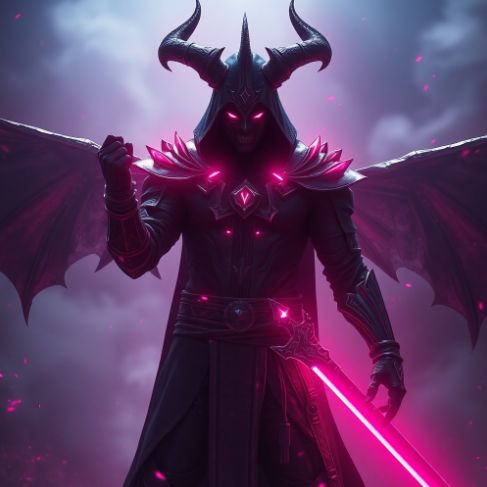
Zorath, a shadow demon king, assassin, brave personality, fantasy atmosphere, cinematic art, full body shot, neon glow, floating particles, square composition, centered subject, highly detailed, 4k –ar 1:1
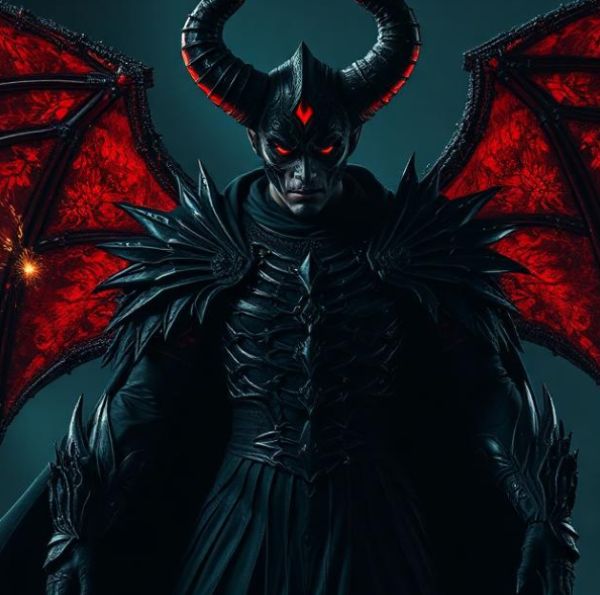
Kael, a shadow demon king, villain, loyal personality, cinematic atmosphere, cinematic art, full body shot, cinematic lighting, electric sparks, square composition, centered subject, highly detailed, 4k –ar 1:1
You wanna try some image generators? Go here to get a list of free image generators and the aternatives media creators.
What is a character prompt generator?
An AI character generator is a tool that uses machine learning and natural language processing to automatically create detailed fictional characters, including their names, appearances, backstories, and personalities, based on user prompts.
How to use it?
Using an AI character generator is simpler than you think. Whether you need a D&D villain or a profile picture, you are only three steps away from a professional result. Here is exactly how to use [Tool Name] to bring your ideas to life.
Step 1: Define Your Concept (The Prompt Engineering)
- Explanation: Explain that the quality of the output depends on the input.
- SEO Keywords: AI character prompts, prompt engineering for AI art.
- The Formula: Teach them the formula: [Subject] + [Visual Description] + [Art Style] + [Mood] .
- Examples:
- Bad Prompt: “A knight.”
- Good Prompt: “A female paladin knight with silver armor, intricate engravings, long braided hair, fantasy art style, cinematic lighting, heroic mood.”
Step 2: Selecting a Style
- Explanation: Explain that most AI character generators offer different art styles.
- List common styles:
- Realistic / Photorealistic
- Anime / Manga
- 3D Render / Pixar Style
- Fantasy Concept Art
- Pixel Art (for retro games)
Step 3: Customizing Details (The Advanced Settings)
- Explanation: Explain how to refine the character’s identity.
- Mention specific features your tool has:
- Gender & Age: “Adjust the perceived age of the character.”
- Pose: “Choose between a portrait, full body, or action pose.”
- Color Palette: “Lock in specific colors for hair, eyes, or clothing.”
Step 4: Generating & Iterating
- Explanation: Explain that the first result might not be perfect.
- Actionable Tip: “If the AI character creator doesn’t nail it the first time, don’t just click generate again. Tweak your prompt. If the eyes are wrong, specify ‘green eyes’ in the prompt. This process is called iteration.”
FEATURE HIGHLIGHTS (Conversion booster)
- Create unique characters instantly
- Works with all AI art tools
- Advanced fields (role, tone, backstory)
- Surprise mode for creativity
Who uses it?
An AI character generator is a versatile tool used by a wide range of creators. Writers and novelists use it to visualize protagonists for book covers and character sheets, while tabletop gamers (D&D players) generate custom portraits for their heroes and NPCs. Game developers and indie studios leverage it for rapid concept art and asset prototyping, and VTubers, streamers, and content creators design unique digital personas and mascots. Beyond that, marketers create branded mascots, educators enhance creative writing exercises, and comic artists maintain visual consistency across their casts, making it an essential resource for anyone needing quick, professional character art.
- Writers & Authors: Visualizing protagonists and building character sheets.
- Tabletop RPG Gamers (D&D): Creating custom player characters and NPC portraits.
- Game Developers & Indie Studios: Generating concept art and placeholder assets.
- VTubers & Content Creators: Designing streaming avatars and channel personas.
- Marketers & Brands: Developing unique brand mascots and social media illustrations.
- Educators & Students: Enhancing creative writing exercises and storytelling projects.
- Graphic Designers: Speeding up mood boards and client pitch materials.
- Roleplayers (Forum/RP): Crafting detailed faceclaims for written characters.
- Comic Book Artists: Designing cast lineups and maintaining visual consistency.
- Novelists: Creating reference sheets for book covers and internal consistency.
- Publishers: Visualizing submissions and scouting for cover art concepts.
- Animators: Developing character turnarounds and expression sheets.
- Costume Designers: Conceptualizing cosplay outfits and fantasy attire.
- Wedding Planners: Creating “couple avatars” for invitations and websites.
- Podcasters: Designing cover art hosts or audio drama characters.